
This guide breaks down the key factors for selecting reliable fire hoses and nozzles, including material performance, pressure ratings, and practical spray patterns, to help facilities make informed decisions based on real-world fire safety requirements.
When it comes to handheld firefighting gear, fire hoses and spray nozzles are your absolute lifelines. But let’s be honest—picking the wrong one doesn’t just mean wasted budget; it can be dangerous when seconds count. Over the years, I’ve seen too many facilities grab generic gear that fails under pressure. So, let’s cut through the technical jargon and look at what actually works on the ground, based on material, pressure ratings, and real-world spray patterns.
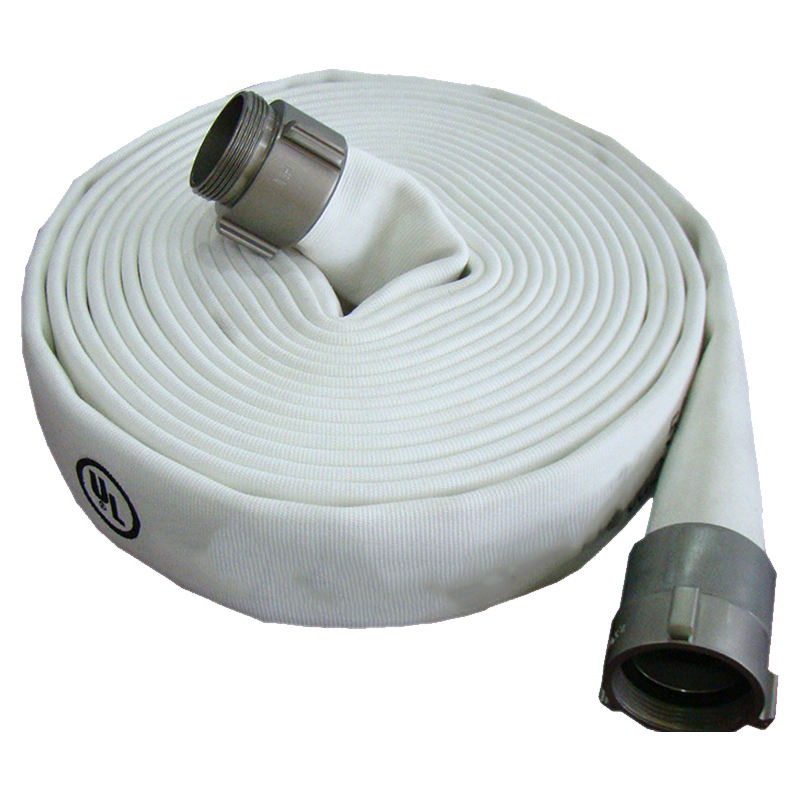
1.Fire Hoses: By Material & Application
We usually categorize fire hoses by what they’re made of and how much pressure they can handle.
Practically, selection hinges on striking a balance between durability and usability.
**Rubber vs PVC**
Rubber Fire Hoses
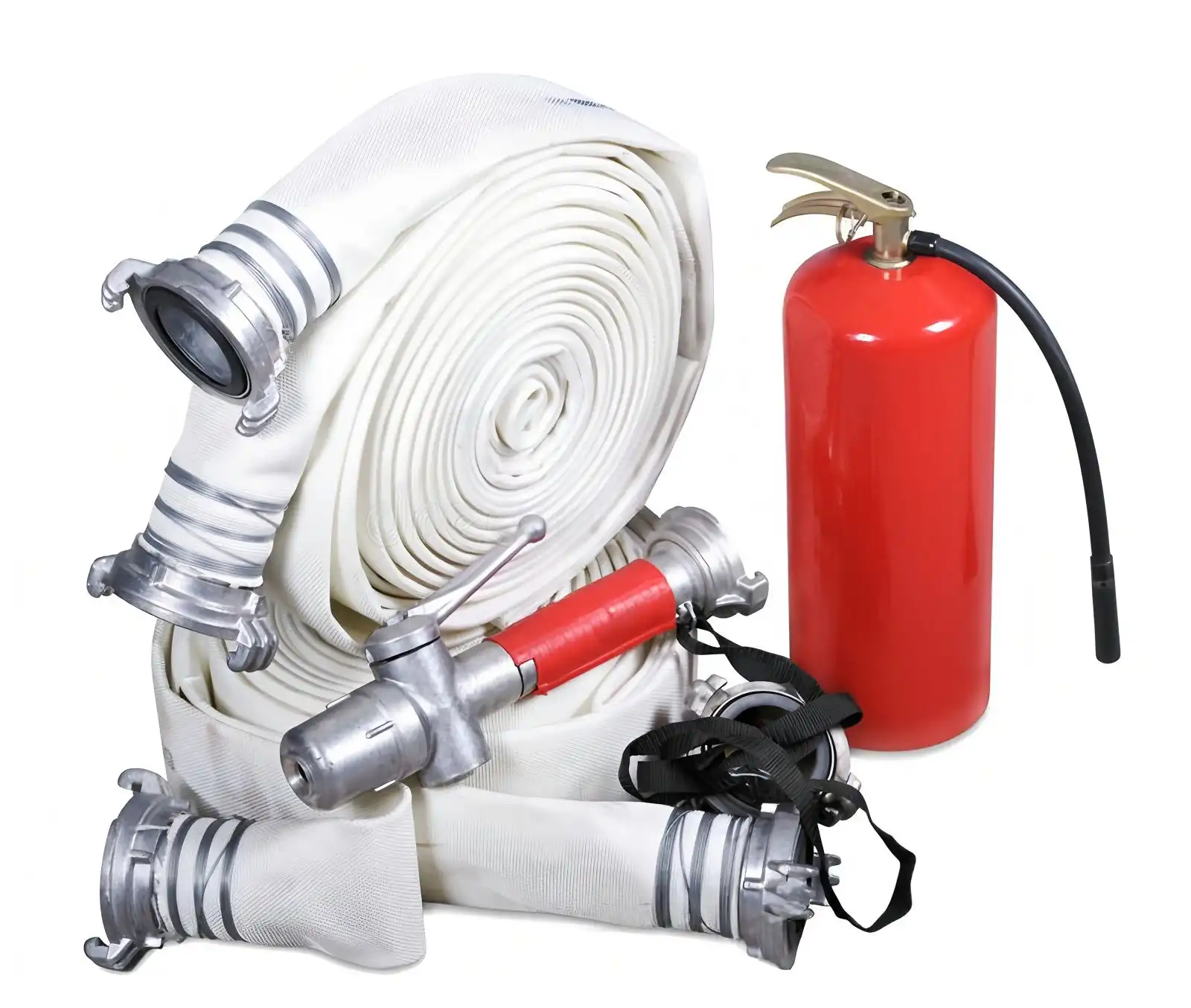
The Durability Test—— If you are equipping a heavy industrial zone or a storage yard, **Rubber Fire Hoses** are the way to go. They feel solid in your hand and can take a beating. I’ve seen rubber hoses dragged over rough concrete and sharp gravel without a scratch. They handle heavy water pressure effortlessly, making them perfect for long-distance water transport in large buildings.
PVC Fire Hoses
On the flip side, for offices or residential standby, **PVC Fire Hoses** are often more practical. Why? Because they are incredibly lightweight and soft. When folded up in a tight fire hose cabinet, they don’t take up much space. Sure, they aren’t as rugged as rubber, but for daily fire prevention inspections, their flexibility makes them a favorite for indoor use.
Pressure Classification
**Don’t Ignore the Pressure Ratings**
A common mistake I see is mismatching pressure levels. You need to match the hose to the hazard:
Low pressure: Fine for routine standby and indoor hydrants.
Medium pressure: The standard for most commercial building tasks.
High pressure: Absolutely non-negotiable for high-risk industrial spots.
Also, keep an eye on the inner diameter. While 25mm and 40mm are common, switching to a **50mm or 65mm** hose can drastically increase your water flow, helping you knock down a fire much faster.
2. Fire Nozzles: By Spray Mode & Fire Scenario
The nozzle is where you actually fight the fire. The style you choose directly dictates your reach and safety.
**Straight Jet vs. Mist**
Straight Jet Nozzle
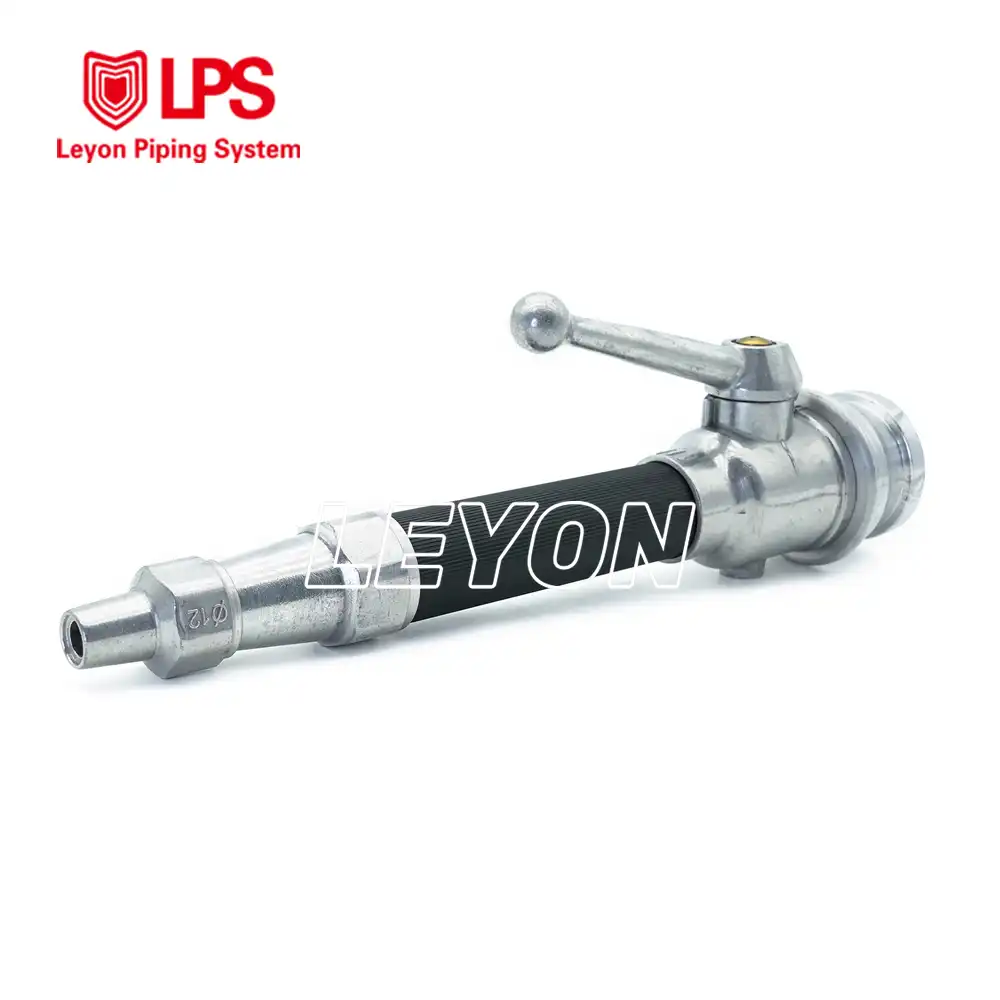
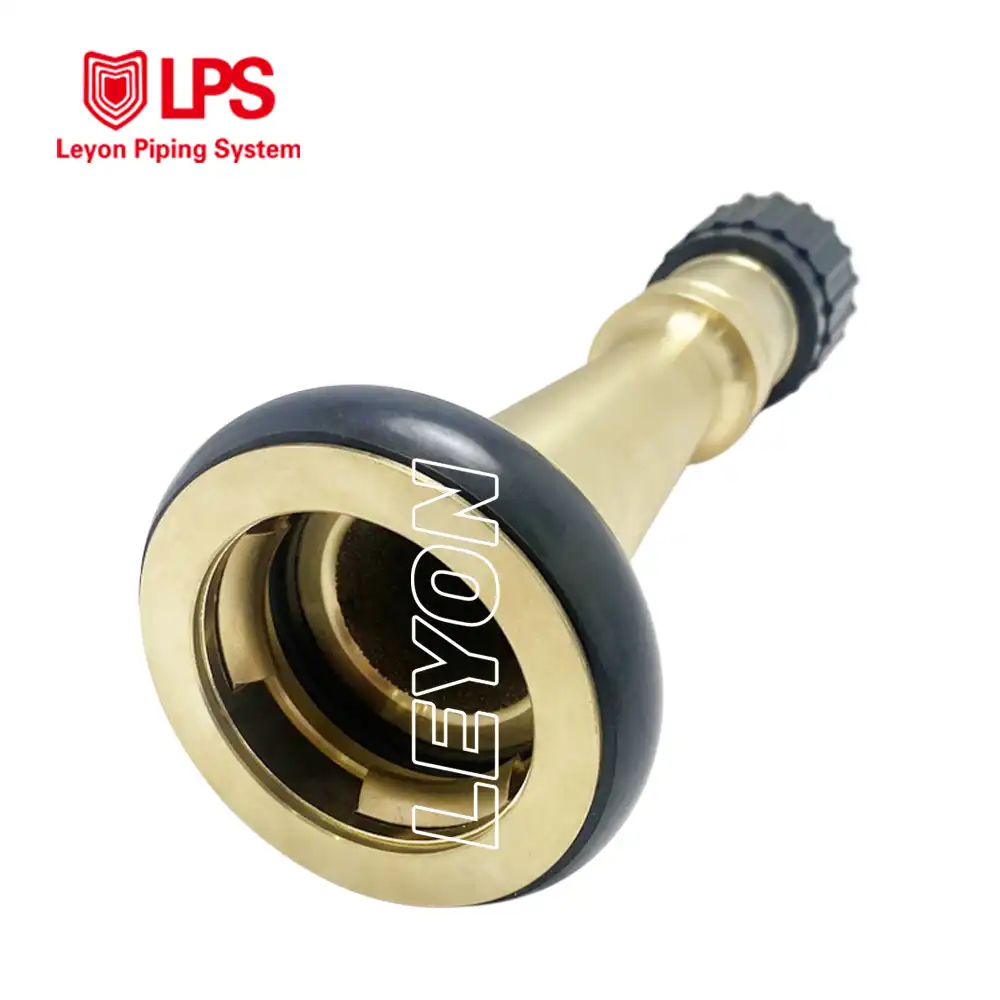
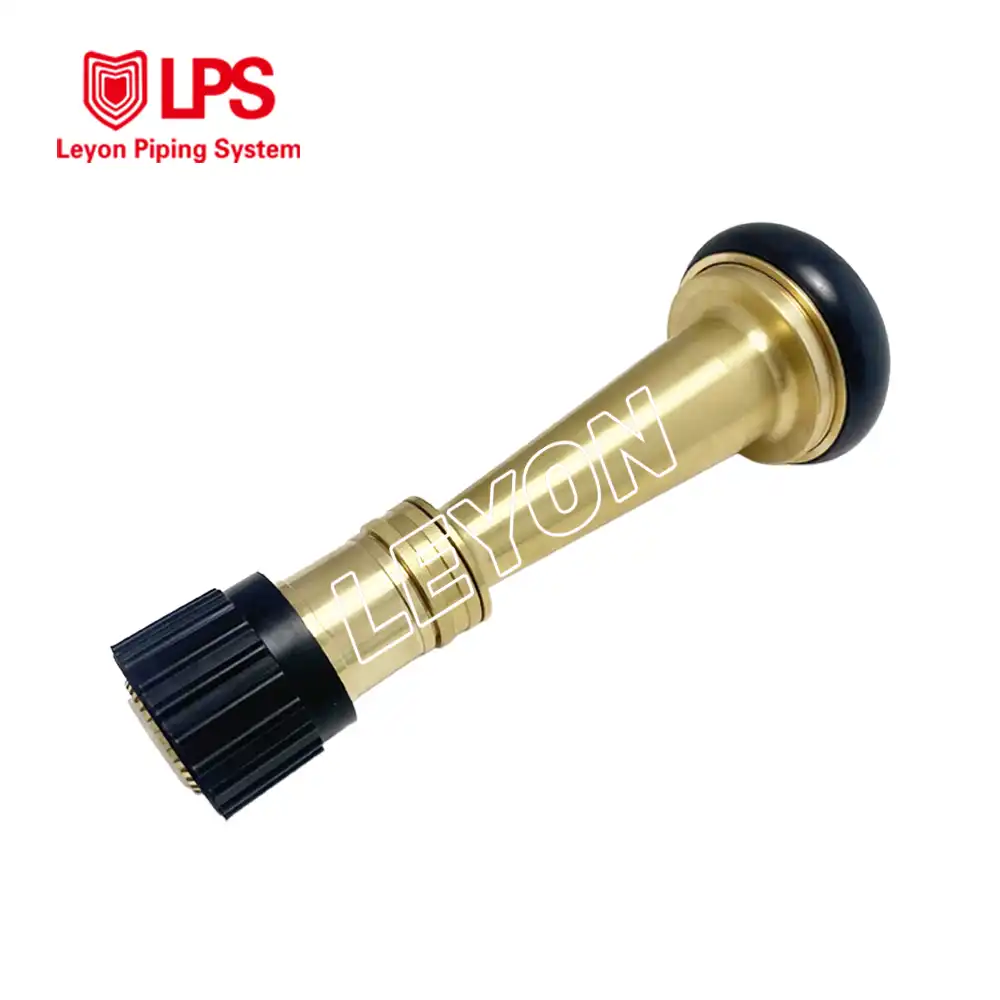
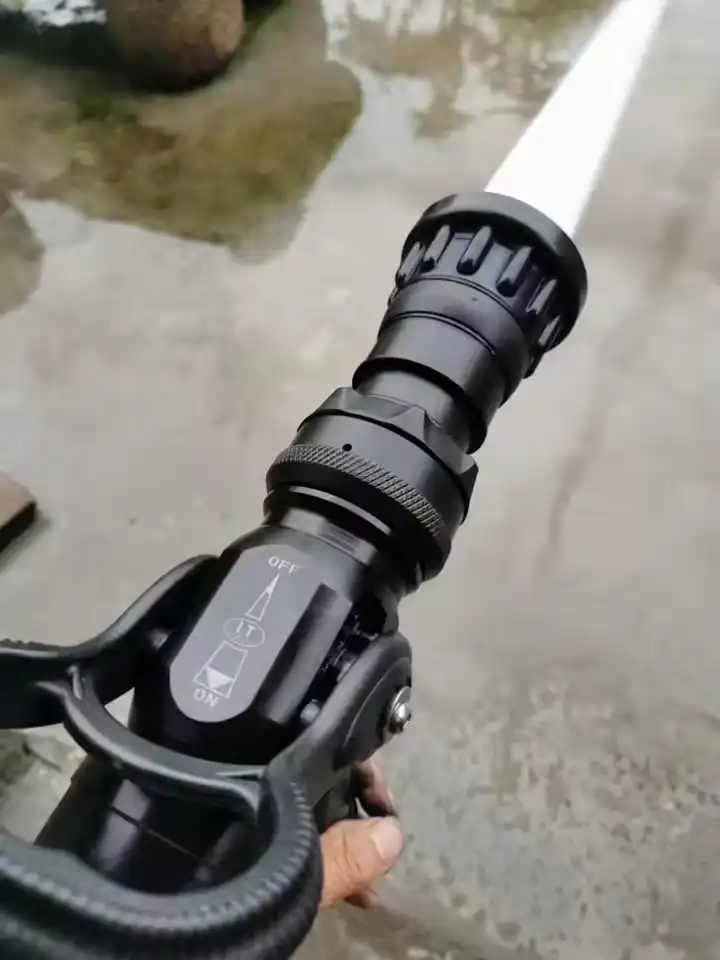
This nozzle generates concentrated compact water streams designed for long-distance delivery. If you need to punch water through a broken window to hit a deep-seated fire inside a warehouse, this tight stream is essential.
Mist Spray Nozzle
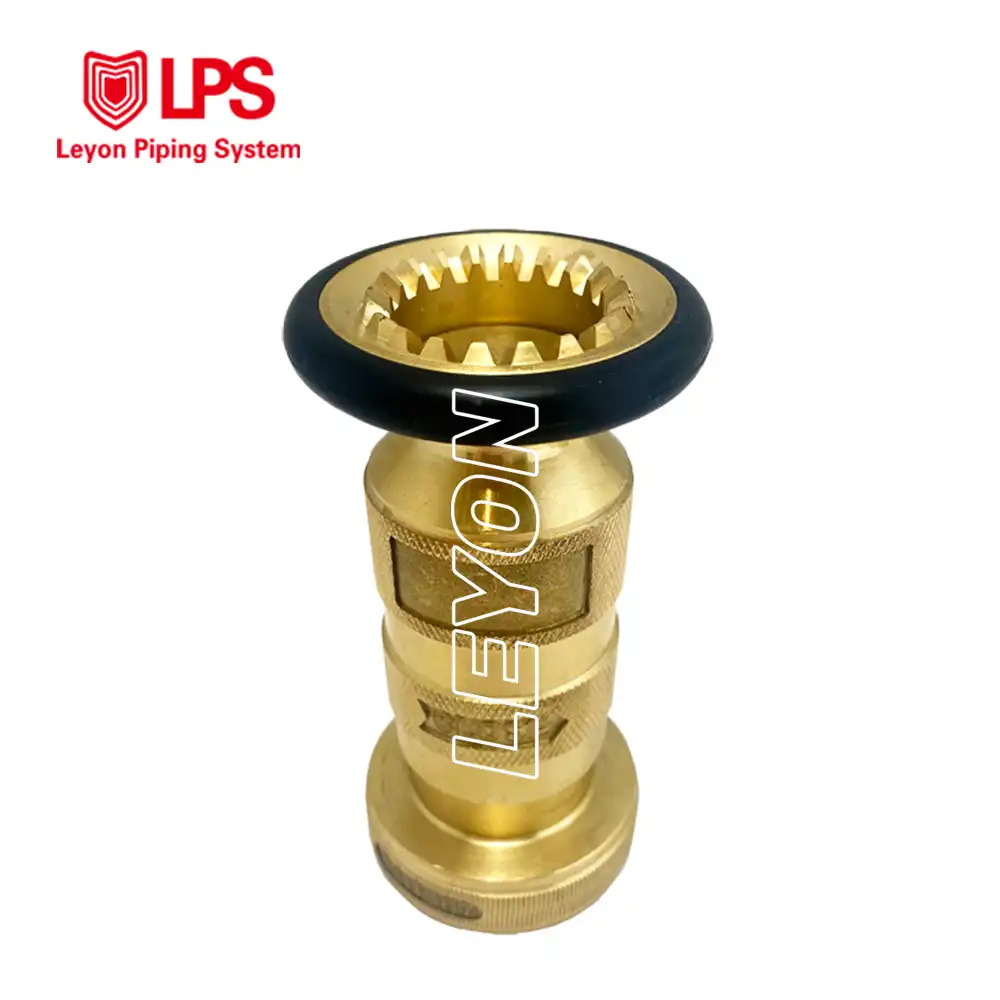
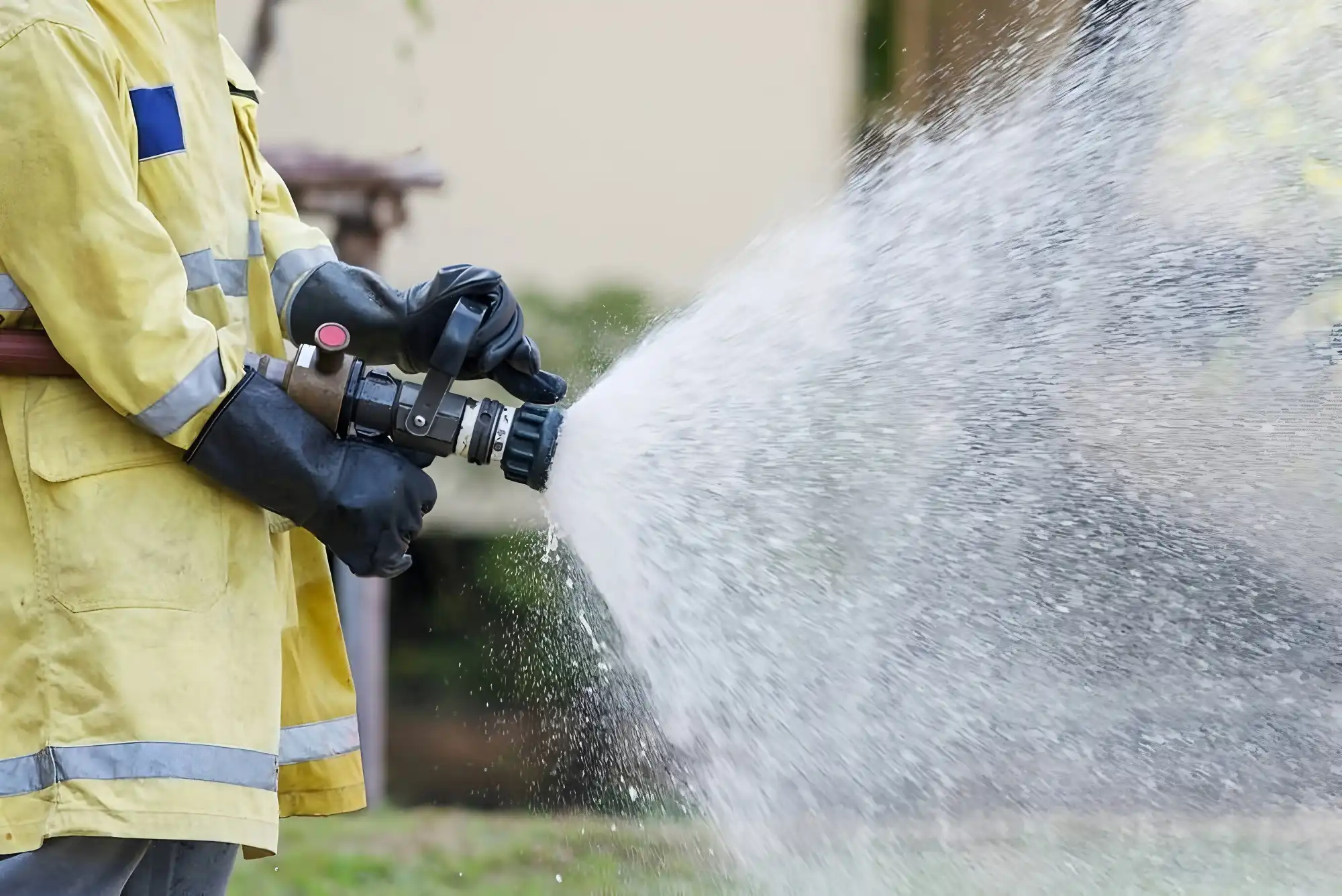
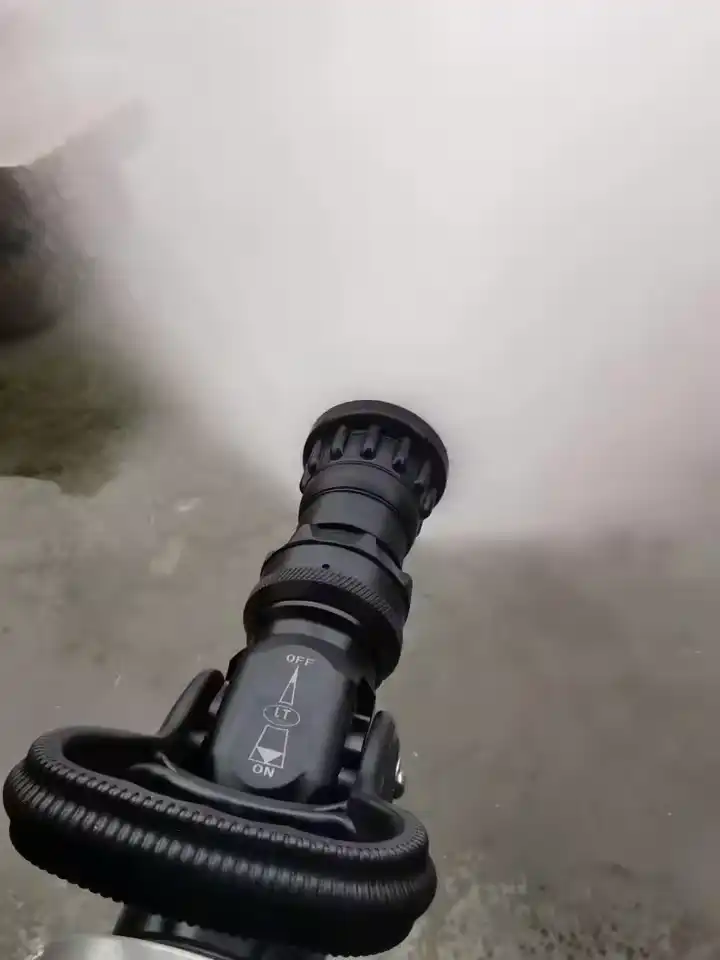
However, I always recommend having a **Mist Spray Nozzle** in your toolkit for indoor rescues. It turns water into fine droplets that absorb heat rapidly and clear out thick smoke. Plus, it’s much safer to use around electrical fires where a solid stream could conduct electricity back to you.
Adjustable Dual-purpose Nozzle
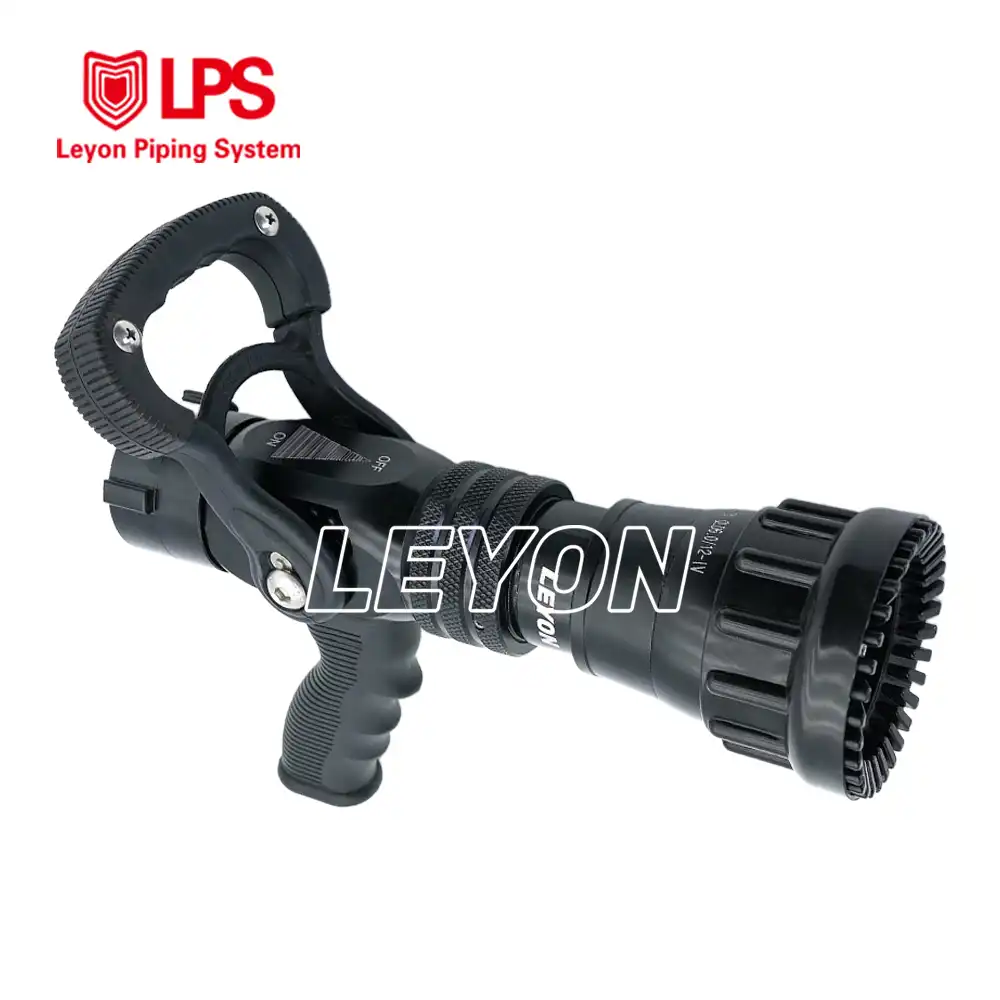
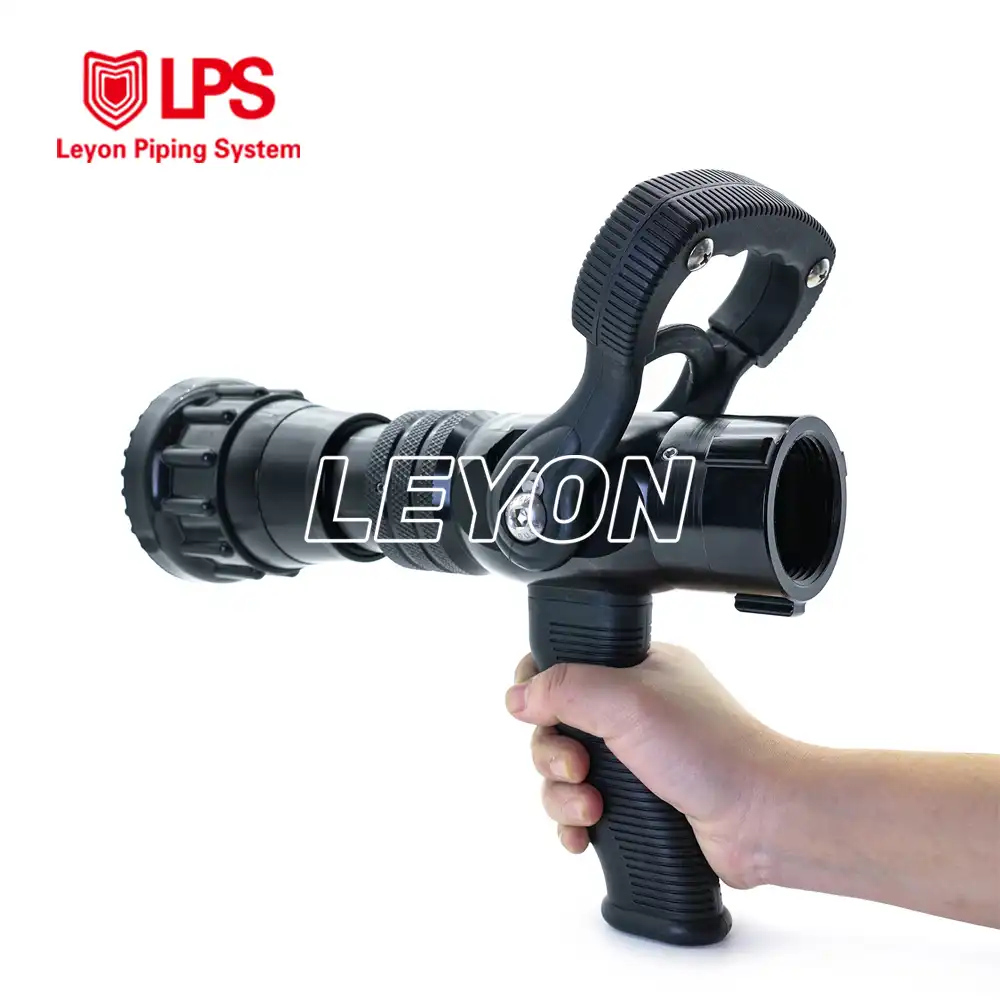
The “Swiss Army Knife” Solution If you can only pick one, go for an **Adjustable Dual-purpose Nozzle**. Being able to shift from a straight jet to a mist spray with a simple twist gives you the flexibility to adapt to changing fire conditions instantly. It’s easily the most practical tool for daily use.
3.PRACTICAL ADVICE FROM THE FIELD
Here are a few tips that usually aren’t in the manual but save you a lot of headaches:
Check the Connection:
Always ensure your hose and nozzle inner diameters match perfectly. A loose fit means leakage, and in a fire, water pressure loss is the last thing you need.
Watch Out for Water Hammer:
If you are using high-pressure systems, sudden valve closures can cause pressure surges. Good quality nozzles are designed to balance this, protecting your equipment.
Ergonomics Matter:
Firefighting is physically exhausting. Look for nozzles with a non-slip pistol grip. It might seem like a small detail, but when your hands are wet or you’re wearing thick gloves, that grip makes all the difference.
4.WHY TRUST LPS FIRE HOSE & NOZZLE SUPPLIES?
At LPS, we don’t just sell gear; we provide safety solutions that meet international norms. Whether you need rugged rubber hoses for a factory or compact PVC kits for a commercial complex, our products are built to withstand real pressure. Don’t wait for an inspection failure or an emergency to check your gear. Feel free to reach out—we’re happy to share practical selection suggestions and bulk supply options tailored to your specific project needs.
Don’t wait for an inspection failure or an emergency to check your gear.