
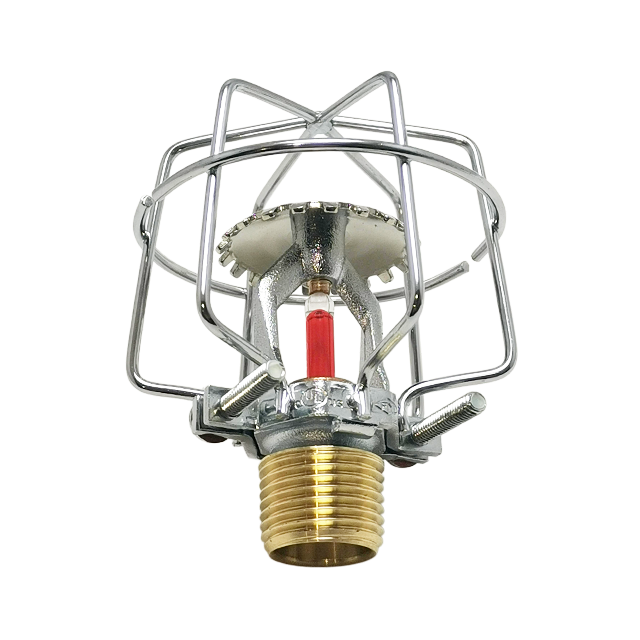
Why You Need a Sprinkler Head with Protective Cage?
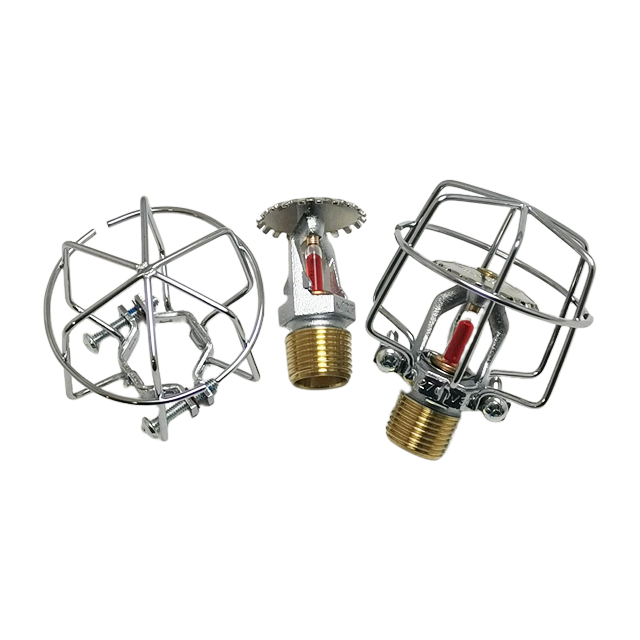
When you walk through construction sites, warehouses, or industrial workshops, you may notice a special fire sprinkler—one wrapped in a metal wire cage. This isn’t just an “extra accessory”;it’s a protective-cage sprinkler designed to solve a critical problem: ordinary sprinklers are easily damaged in harsh environments. In this blog, we’ll break down what makes these caged sprinklers unique, when to use them, and why they’re a non-negotiable choice for high-risk spaces.
1. What Is a Sprinkler Head with Protective Cage?
2. Core Differences Between Caged Sprinklers & Ordinary Sprinklers
Let’s compare them side by side:
Feature
Ordinary Sprinkler
Sprinkler with Protective Cage
Structure
| No external protection; only basic components (glass bulb, deflector) |
Standard components + metal wire cage (covers the sprinkler body)
Key Function
Only detects temperature and releases water
Fire suppression + physical protection (blocks impacts/foreign objects)
Vulnerability
Easy to damage (e.g., hit by tools, scratched by goods)
Resists collisions, falling debris, and blockages
3. When to Use a Sprinkler Head with Protective Cage?
- Construction Sites (Under Renovation)
- Warehouses & Storage Areas
- Industrial Workshops & Manufacturing Plants
- High-Traffic Public Areas (Temporary)
4. Key Considerations When Choosing a Caged Sprinkler
- Cage Material: Opt for stainless steel if the environment is humid (e.g., cold storage) to avoid rust; galvanized steel works for dry, general-purpose spaces.
- Certifications: Ensure the sprinkler (and cage) meets local standards (e.g., UL for North America, CE for Europe) to comply with fire codes.
- Cage Design: Choose a cage that’s easy to install/remove (some have quick-release clips) for maintenance—you’ll need to access the sprinkler for inspections.
- Compatibility: Confirm the cage fits your sprinkler’s size (e.g.,1/2” NPT thread) and doesn’t block the glass bulb’s heat sensitivity.